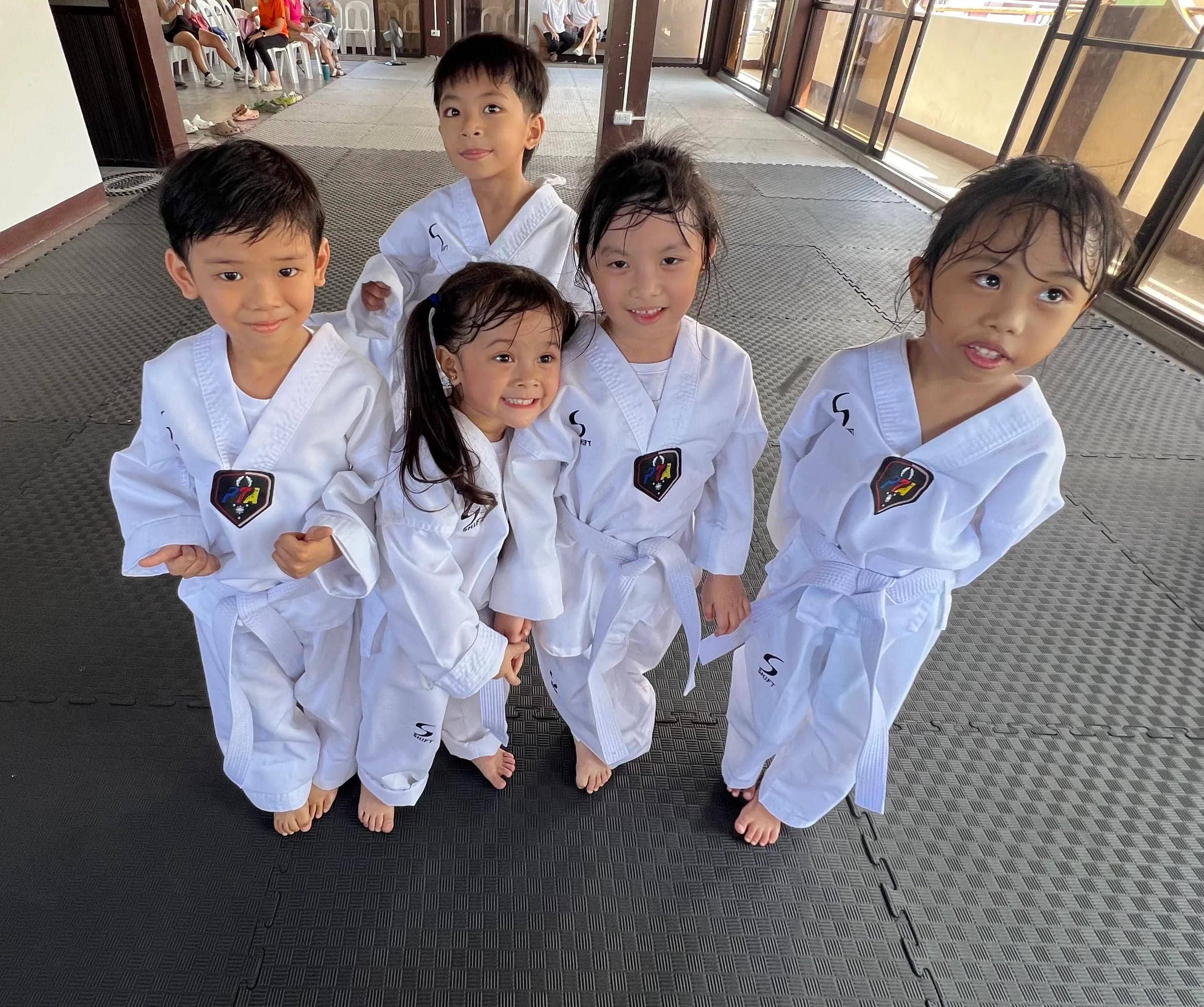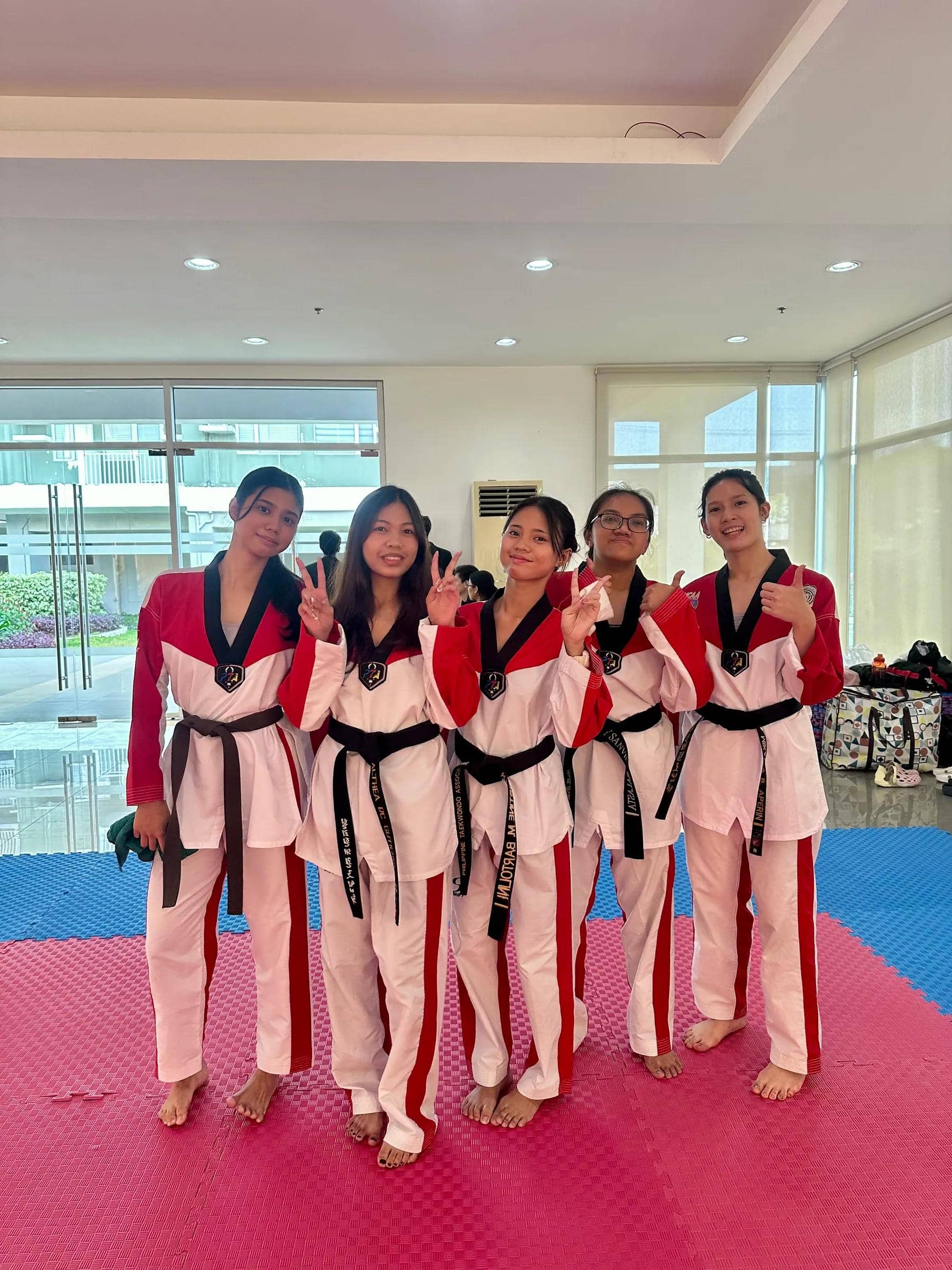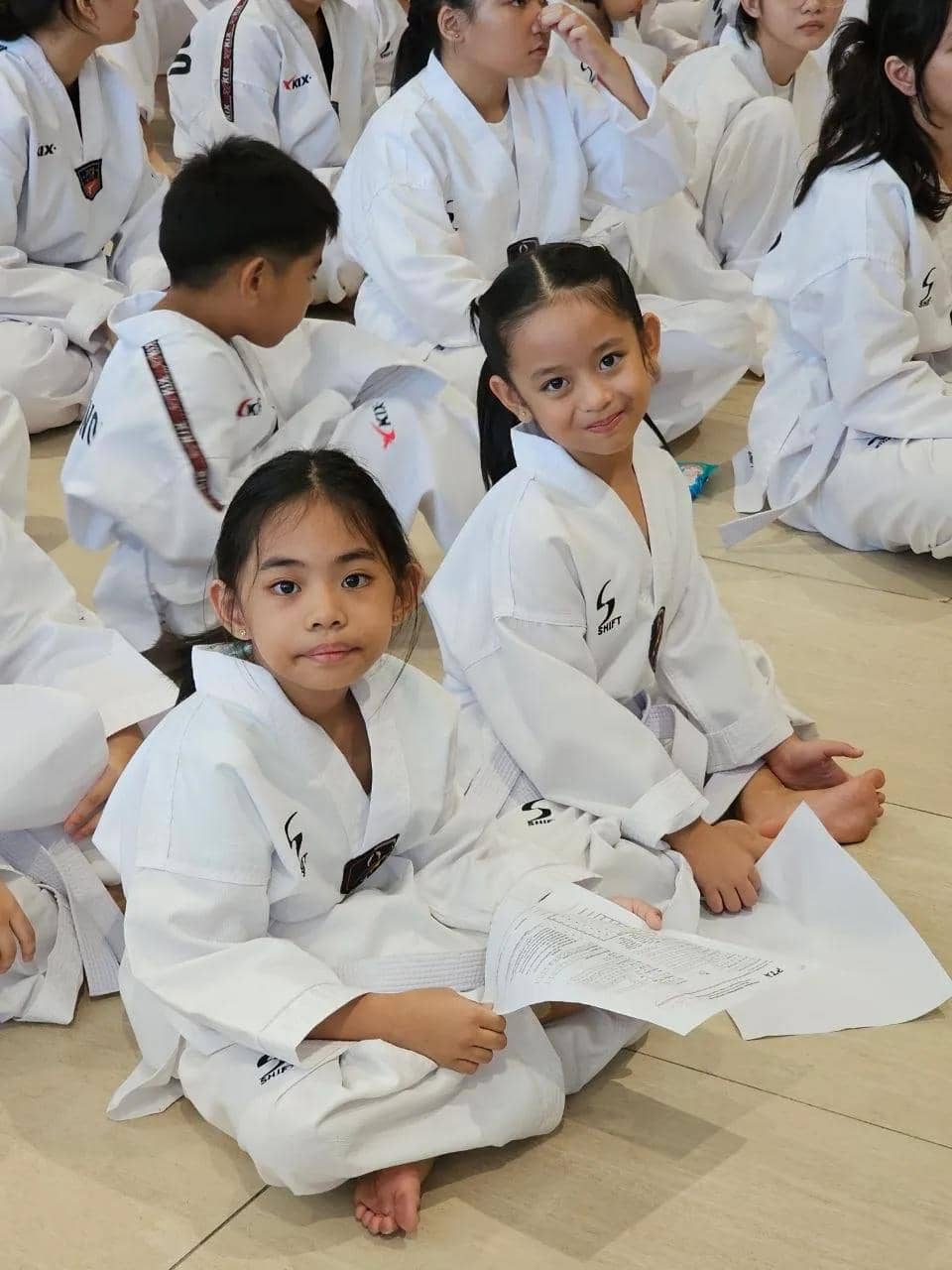
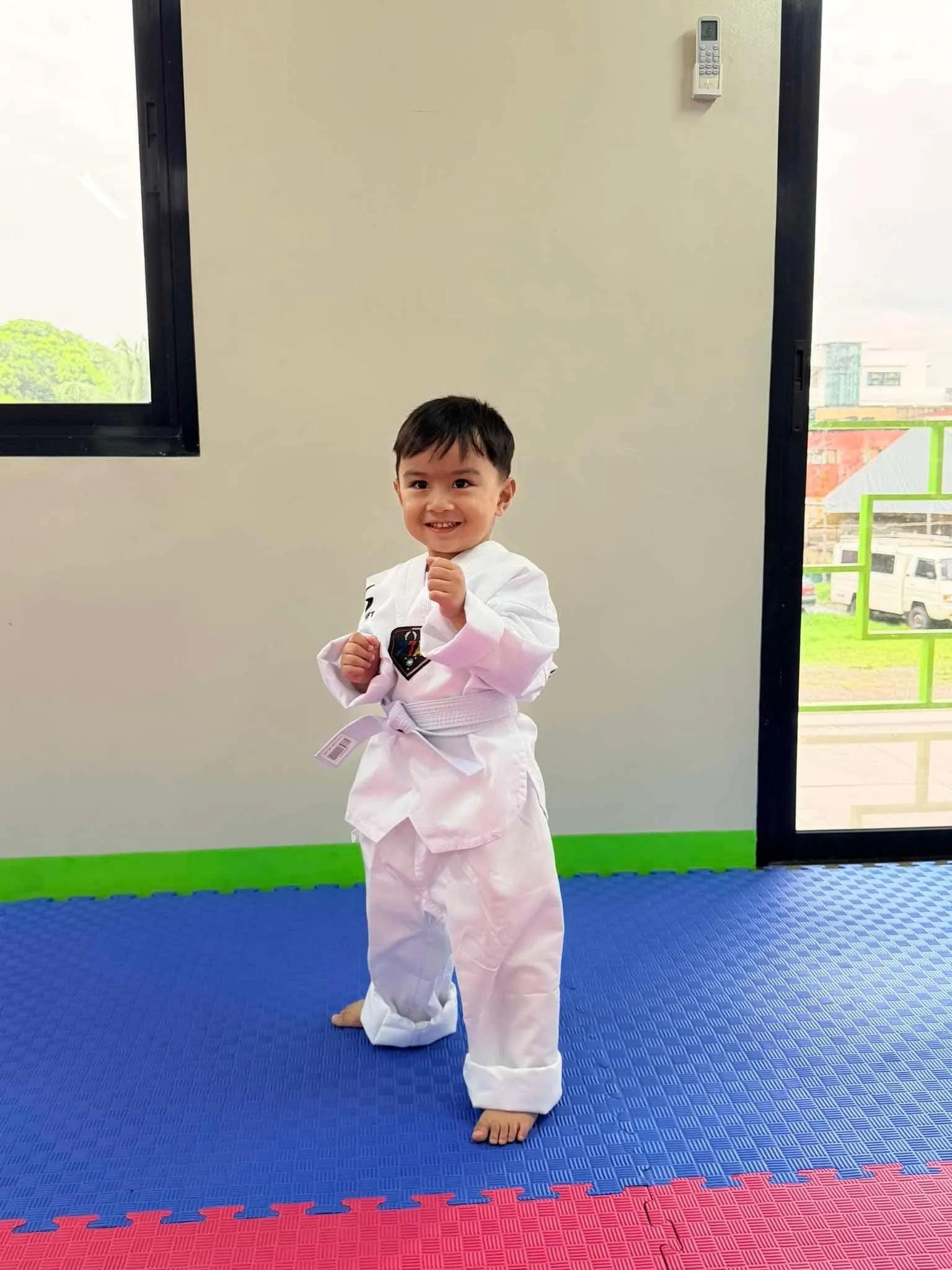
"My child is really shy — I'm not sure this is for them." We hear some version of that at almost every trial class. And some of the quietest kids who walk through our door turn out to be the ones who thrive most. Here's why taekwondo tends to suit shy children, what the research says, and how to set your child up for a good first class.
Why Structure Helps Shy Kids
A lot of kids' activities are open-ended: free play, pick-up games, team sports where you have to call for the ball. They ask a shy child to insert themselves socially with no rules to lean on. A taekwondo class works the other way around:
- A predictable routine. Every class follows the same pattern — bow in, warm up, drill, cool down. A child who knows what comes next doesn't spend their energy worrying about it.
- Clear rules for when to move and speak. Listen for the whistle, wait your turn, answer the coach. Many shy kids find real relief in knowing exactly what's expected of them.
- Progress that's personal. Belts are earned individually, at each child's own pace. Nobody waits on a bench to be picked for a team.
- Small, visible wins. A new kick, a new stripe, a new belt. Confidence built from proof tends to stick better than confidence built from pep talks.
- Permission to be loud. The whole class shouts the kihap — taekwondo's sharp yell on a strike — together. Even the quietest child gets to be loud without being singled out.
What the Research Says
Research on martial arts and children's wellbeing is encouraging, though not every study agrees. A randomised controlled trial of a martial arts–based program with 283 secondary school students found that resilience and self-efficacy — a young person's belief in their own ability to handle challenges — improved in the group that trained, while the comparison group's scores declined (Developing Wellbeing Through a Randomised Controlled Trial of a Martial Arts Based Intervention). Results on self-esteem specifically are more mixed across studies.
Our honest read: taekwondo isn't therapy. But its structure — clear goals, earned progress, and a coach who notices effort — builds exactly the kind of self-belief shy kids are often missing.
Shy Isn't the Same as Anxious
Many children are simply reserved and warm up with time. That's a personality, not a problem to fix. If your child's anxiety is intense or is affecting sleep, school, or daily life, talk to your pediatrician or a mental health professional first. Taekwondo can be a great complement to that support, but it isn't a substitute for it.
What a Shy Child Can Expect With Us
- You can stay and watch. Parents, siblings, and guardians are welcome in the parent seating area, for the trial and every class after.
- No one is put on the spot. Progress is measured belt by belt, at your child's own pace, with no pressure to perform in front of a crowd.
- Sparring comes later. Contact is introduced gradually, supervised, and scaled to age and belt level. Nobody spars on day one.
Tips for the First Class
- Talk it through beforehand. Explain what will happen — bowing in, warm-ups, kicks, cool-down. Our guide to your child's first taekwondo class walks through it step by step.
- Arrive a few minutes early. Seeing the room before it fills up makes it far less overwhelming.
- Let the coach lead. If your child freezes up at first, stay calm and let the coach coax them in. Our coaches see nervous first-timers every week.
- Praise effort, not performance. "You tried every kick" lands better than "you were the best."
- Judge after a few classes, not one. First-class nerves aren't a verdict on whether taekwondo is right for your child.
Which Program Fits
- Ages 3–6: Little Tigers — short, playful sessions built around what young kids can actually do.
- Ages 7–12: Junior Warriors — a clear routine and small, achievable goals toward the next belt.
- Ages 13 and up: Teens & Adults — the same structure, with room to grow into leadership.
Every first class is free at all three of our branches in Taguig and Parañaque. Book a free trial class — and feel free to stay and watch.
Common Questions
Is taekwondo good for shy kids?
Often, yes. Its routine, clear rules, and individual progress suit many shy children better than open-ended group activities.
Will my child have to spar in their first class?
No. Sparring is introduced gradually, supervised, and scaled to your child's age and belt level.
Can I stay and watch my child's class?
Yes. Parents, siblings, and guardians are welcome in the parent seating area, for the trial and every regular class.
What if my child doesn't want to join in at first?
That's common with nervous first-timers. Stay calm, let the coach take the lead, and give it a few classes before deciding.