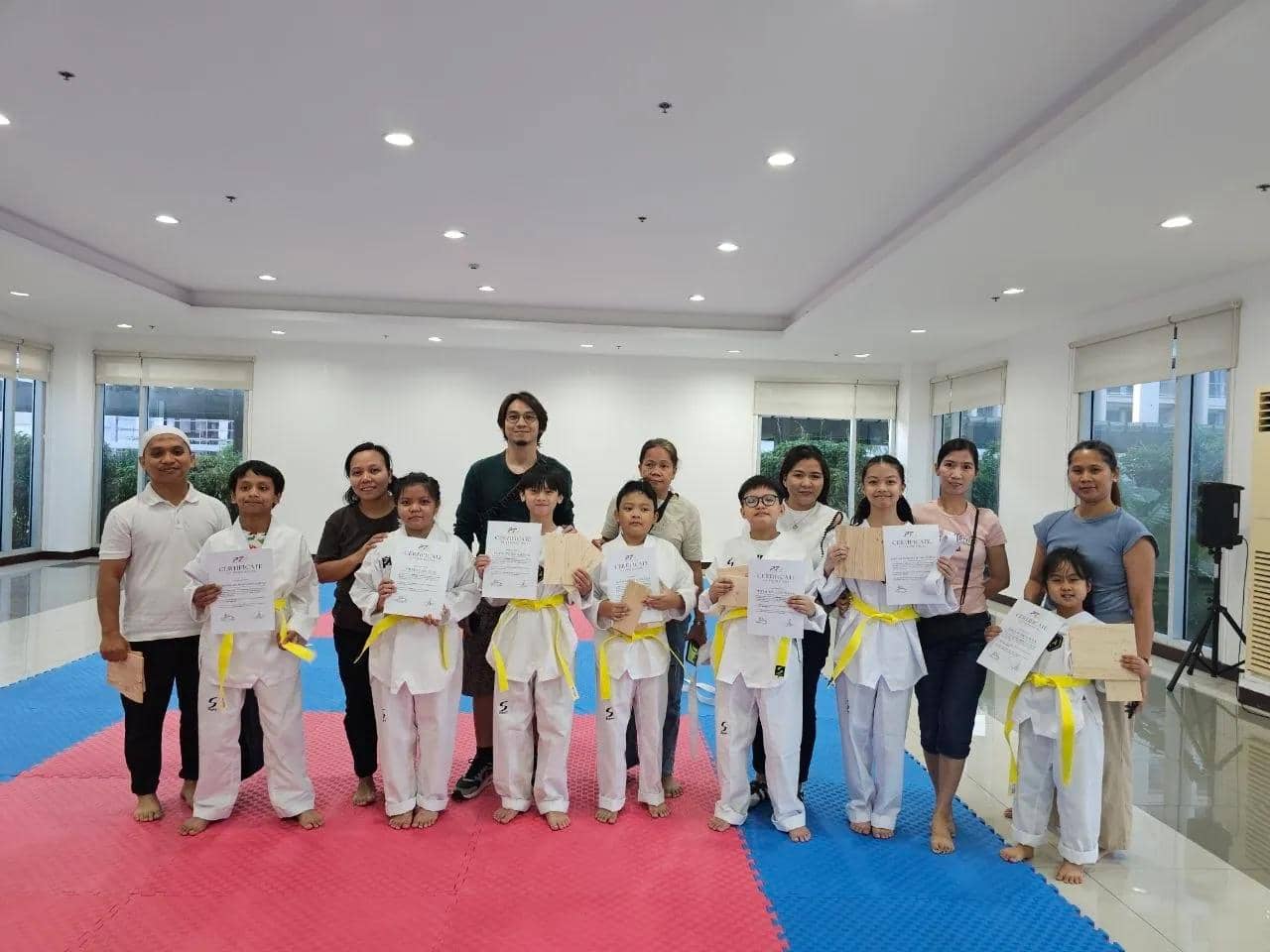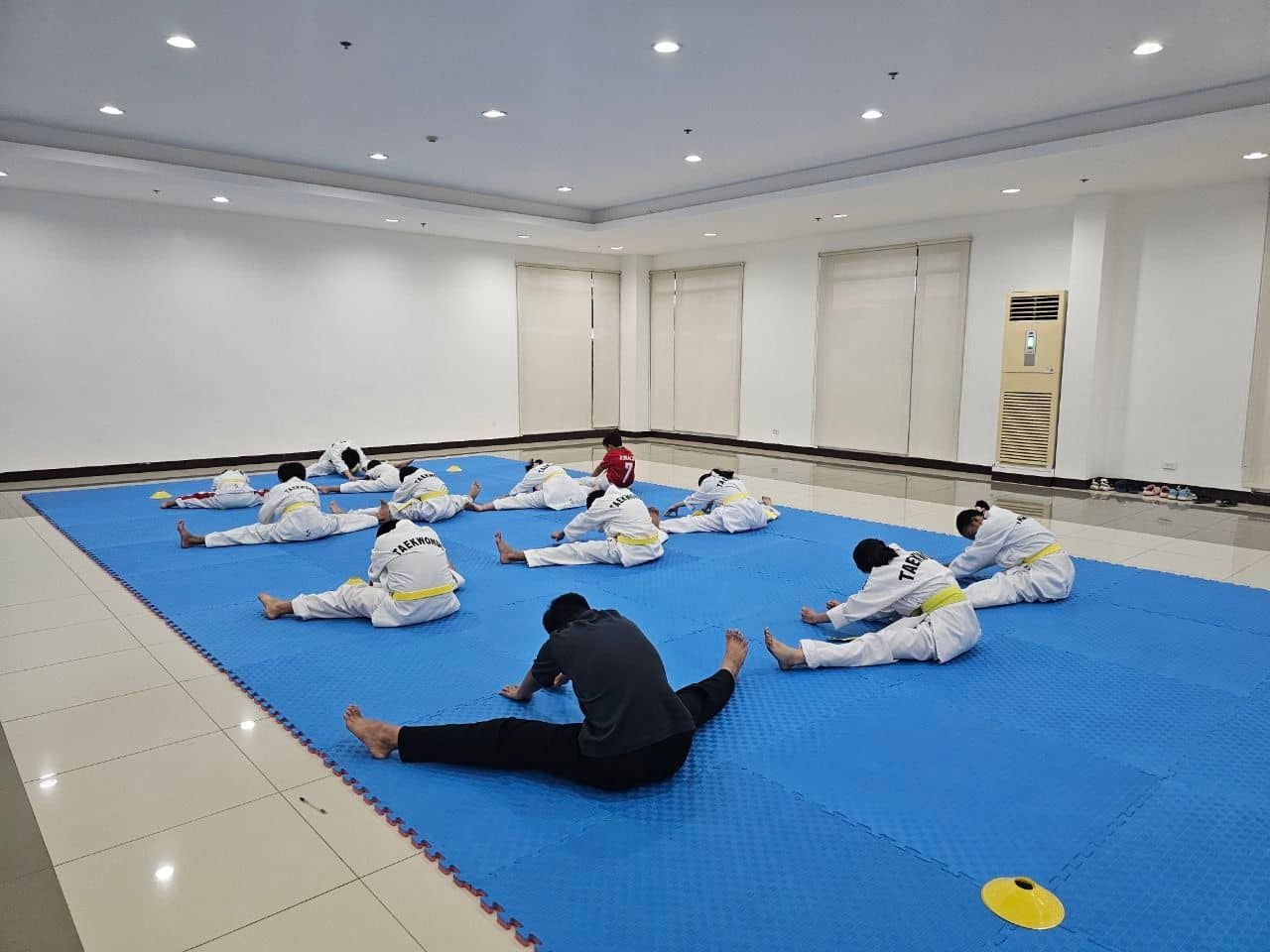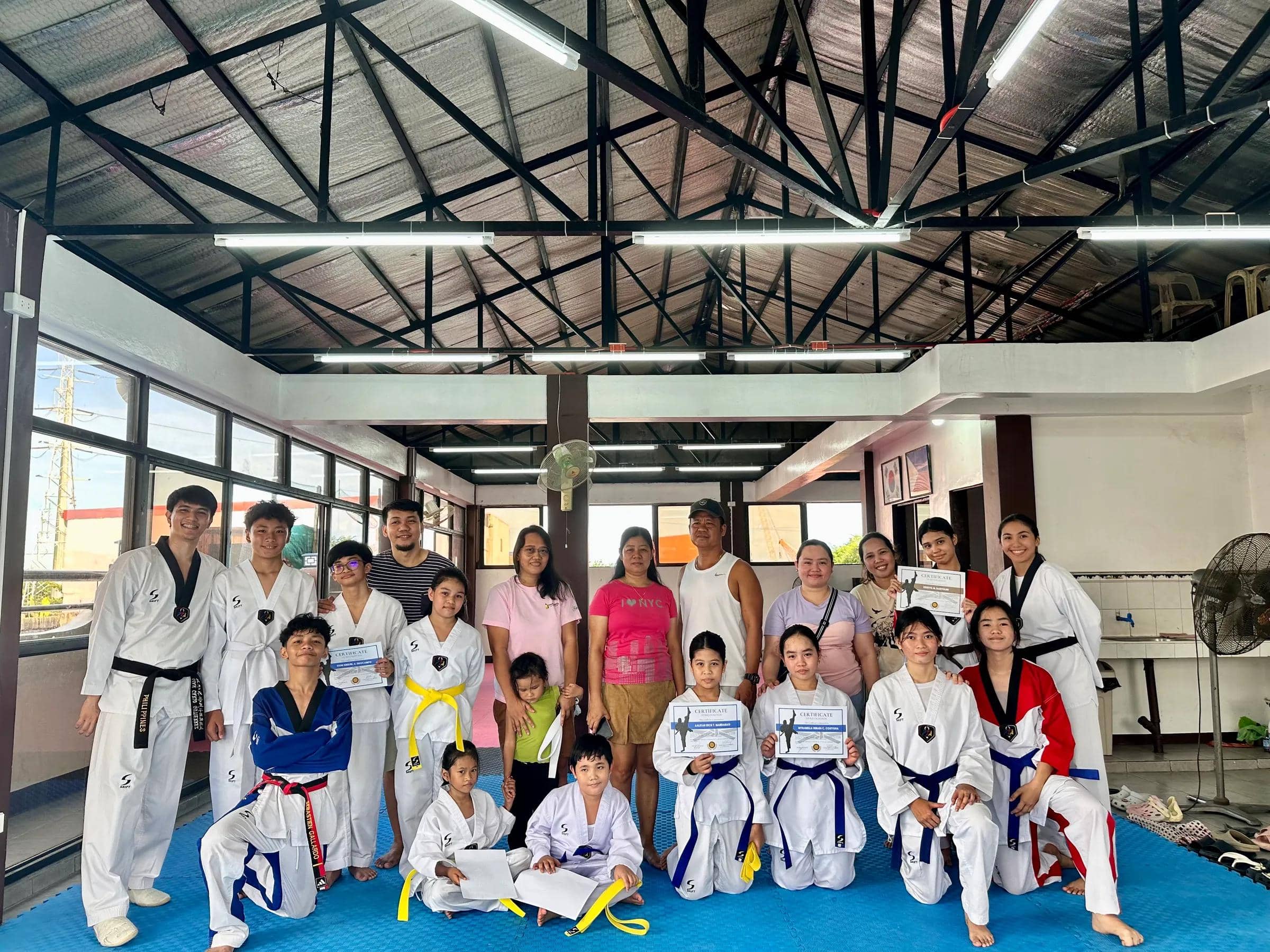
Search "taekwondo near me" anywhere in Metro Manila and you'll find plenty of options — from mall studios and school clubs to full-time academies. They can look identical on a flyer. They're not. Here's what actually separates a good taekwondo school from an expensive babysitter, and the questions worth asking before you enroll.
1. Who's Actually Coaching
The single biggest factor is the person in front of your child every week. Ask about the head coach and the instructors who'll actually run your child's class — not just the founder on the poster.
- Do they hold a recognized black-belt rank, and how long have they been teaching?
- Have they competed? Competition experience isn't required to teach well, but it shows a coach has been held to an outside standard.
- Is the same coach there every week, or does it rotate?
2. Whether the Belts Mean Anything
Taekwondo's official black-belt ranks — Poom for students under 15 and Dan for 15 and older — are certified by the Kukkiwon, the sport's world headquarters in Korea. Ask whether the school's black belts are Kukkiwon-certified, or only recognized in-house. A belt that's only valid inside one gym won't carry over if your family moves or your child switches schools.
3. How Promotions Work
A belt should mean your child can do what that rank requires. Be wary of any school where:
- Promotions happen on a fixed schedule regardless of skill
- Every student in a grading passes, every time
- Moving up a rank is mostly a matter of paying the testing fee
Kids know when a belt was handed to them. The confidence taekwondo is supposed to build comes from earning it.
4. Age-Separated Classes
Young children and teenagers learn differently and shouldn't be doing contact drills together. Ask whether classes are split by age and stage — a 4-year-old and a 14-year-old need completely different coaching, pacing, and sparring rules.
5. Safety Standards
Look at the training floor itself: proper mats, protective gear for sparring, and contact that's scaled to age and belt level. Ask what happens if a child gets hurt, and whether coaches are trained to handle it. We've written a separate, research-backed guide to whether taekwondo is safe for kids if you want the injury data behind these questions.
6. Class Size
Ask how many students are in a typical class and how many coaches run it. In a packed class, a beginner can go a whole session without a single correction — which is how bad habits (and injuries) set in.
7. Clear Fees, No Surprises
Before you sign anything, ask for the full picture: membership fees, monthly tuition, uniform, belt testing fees, and competition costs. A good school will walk you through all of it plainly. Our guide to what taekwondo costs in Metro Manila breaks down each of these.
8. A Schedule You'll Actually Keep
The best school on paper is useless if you can't get there. Consistency matters more than almost anything else in martial arts — a school you reach twice a week will do more for your child than a better one you manage once a month. Factor in traffic, not just distance.
9. A Trial Class Before You Commit
Any school confident in its coaching will let your child try a class first. Use the trial to watch, not just drop off:
- Are the kids engaged, or waiting around in lines?
- Do the coaches know students by name?
- Is discipline taught with firmness and respect, or by yelling?
- Does your child want to come back?
Red Flags Worth Walking Away From
- Pressure to sign a long contract before a trial class
- Black belts promised within a set number of months
- No clear answer on who will coach your child
- Mixed-age sparring with no separation
- Fees that only come out after you've enrolled
How Grit & Glory Measures Up
We'd rather you use this checklist on us than take our word for it. For the record: our Poom and Dan black belts are Kukkiwon-certified, classes are split into Little Tigers (3–6), Junior Warriors (7–12), and Teens & Adults (13+), promotions are earned rather than scheduled, and our coaching staff includes former Philippine National Team athletes. Every first class is free, with no gear required, at all three branches — Hagonoy and Arca South in Taguig, and Don Bosco in Parañaque.
Book a free trial class and hold us to every point on this list.
Common Questions
What's the most important thing to look for in a taekwondo school?
The quality and consistency of the coach who'll actually teach your child. Credentials matter, but so does how they run a class — watch one before you decide.
What does Kukkiwon-certified mean?
The Kukkiwon is taekwondo's world headquarters in Korea. It certifies the official black-belt ranks (Poom and Dan), so a Kukkiwon-certified belt is recognized internationally rather than only by one school.
How can I tell if a school is a "belt factory"?
Look for promotions on a fixed calendar, near-100% pass rates, and gradings that seem to depend on paying a fee rather than demonstrating skill.
Should my child's first class be free?
Most reputable schools offer a free or low-cost trial so you can see the coaching and your child can see if they enjoy it before you commit.