The Honest Answer
Yes, with an important distinction: most of the injury data available on Taekwondo comes from competition — elite tournament sparring — not from a typical kids' class. The two are not the same activity, and conflating them scares parents about a risk their child, training recreationally, is unlikely to face at that intensity.
What the Research Actually Measures
Most published Taekwondo injury studies track competitive athletes at tournaments — the World Taekwondo junior and senior circuits, national team athletes, collegiate competitors. A retrospective study of Korean youth and collegiate Taekwondo sparring athletes measured injury incidence in that competitive population, and a broader epidemiological review of World Taekwondo junior athletes found similar patterns industry-wide (Injury Incidence and Its Characteristics in Korean Youth and Collegiate Taekwondo Sparring Athletes; Injury and Illness in World Taekwondo Junior Athletes: An Epidemiological Study). A comparative study of training-related injuries across combat sports found Taekwondo's training injury incidence sitting close to judo and wrestling, and below boxing (A survey study on sports injury by age for male athletes in combat sports).
Two things matter about that data for a parent evaluating a kids' class:
- It measures full-contact competition, where the entire point is to land controlled strikes on an opponent under tournament rules — not a structured class where sparring, when it happens at all, is introduced gradually, supervised, and matched to the student's age and rank.
- Most of these athletes are training and competing at a much higher intensity and frequency than a child attending one or two classes a week.
What the American Academy of Pediatrics Says
The American Academy of Pediatrics has published guidance specifically on youth martial arts participation and injury risk. Its overall position is that structured, well-supervised martial arts training — including Taekwondo — is a reasonable activity for children when instruction emphasizes proper technique and age-appropriate contact levels (Youth Participation and Injury Risk in Martial Arts, AAP).
How Grit & Glory Reduces Risk Below the Competition Baseline
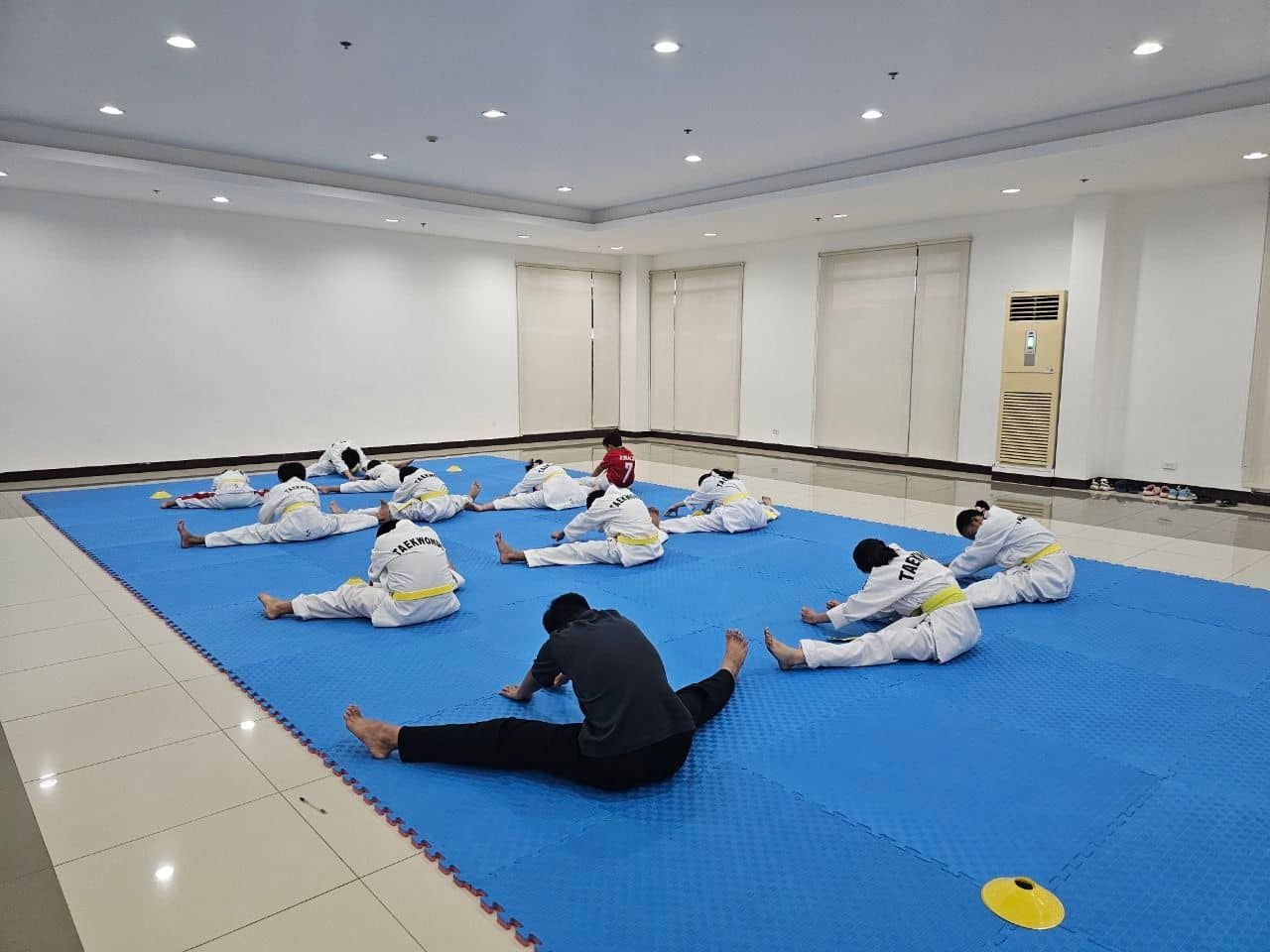
- Age-separated classes. Little Tigers, Junior Warriors, and Teens & Adults never train contact drills together — a 4-year-old is never sparring anywhere near an adult.
- Gradual introduction of sparring. Younger and newer students work on forms, pad work, and controlled one-step drills long before any live sparring is introduced, and even then it's supervised, light-contact, and rank-appropriate.
- Real gradings, not just belts for showing up. A student isn't advanced into higher-contact training until a coach has verified their technique and control are solid enough for it — see our belt order guide for how that progression works.
- Supervised at every level. Every class is instructor-led — there's no unsupervised sparring or freeform contact.
What to Ask Before Enrolling Anywhere
Whether or not you choose Grit & Glory, ask any prospective school:
- At what age and rank do students start live sparring?
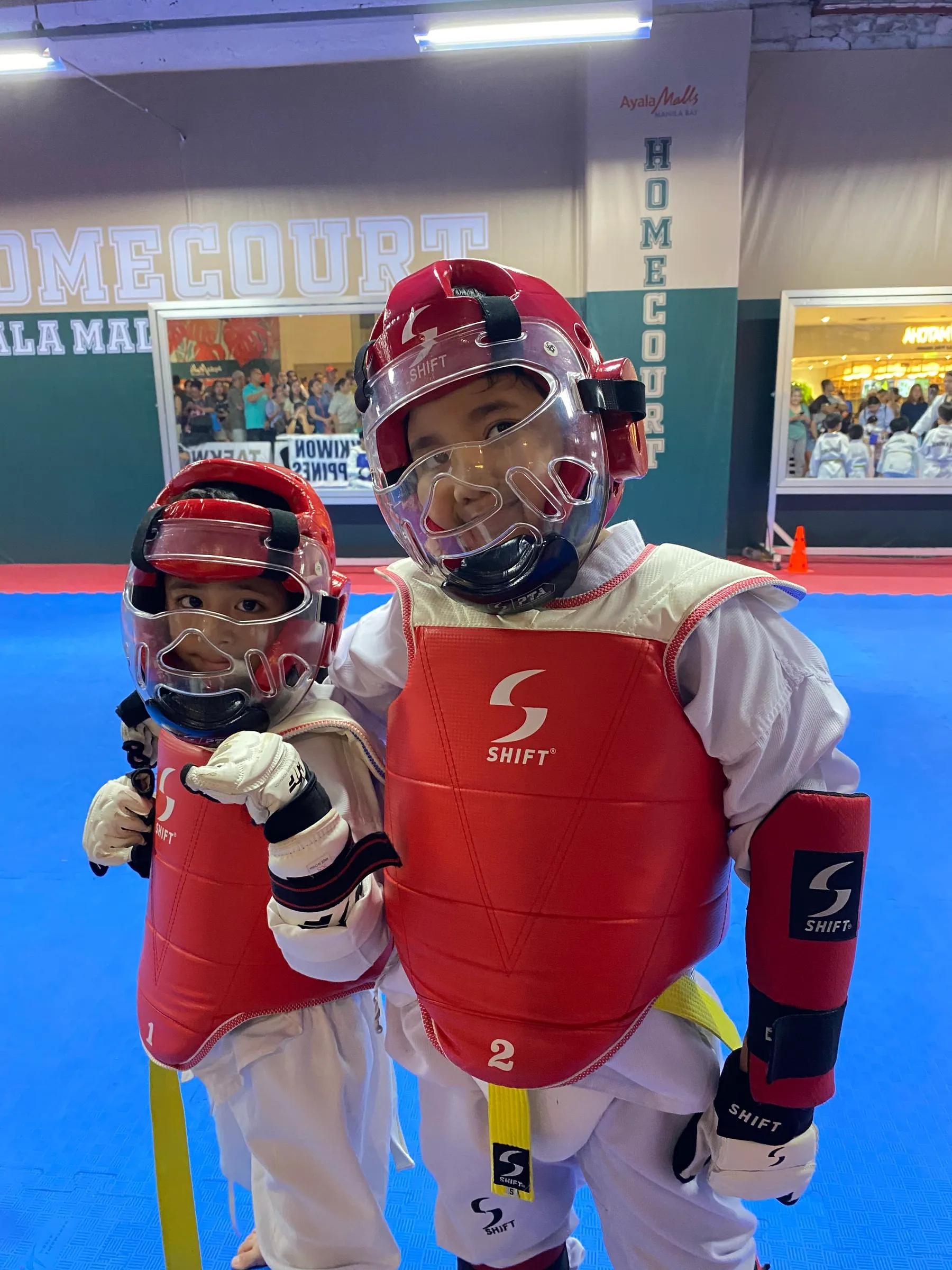
- What protective gear is required, and at what stage?
- How are classes separated by age?
- What's the instructor-to-student ratio for younger age groups?
A school that answers these plainly, without hedging, is one that's actually thought about age-appropriate risk — not just assumed it.
The Bottom Line
Competition Taekwondo carries real injury risk, the same as any competitive contact sport — that data is real and shouldn't be dismissed. But a well-run kids' class, with age-separated groups, gradual contact introduction, and real supervision, is a different activity with a different risk profile. If you're evaluating whether a recreational class is safe for your child, ask about the specific safeguards above rather than extrapolating from elite competition statistics.
Book a free trial and watch a class in person — the best way to judge supervision and contact level is to see it yourself before your child ever steps on the mat.