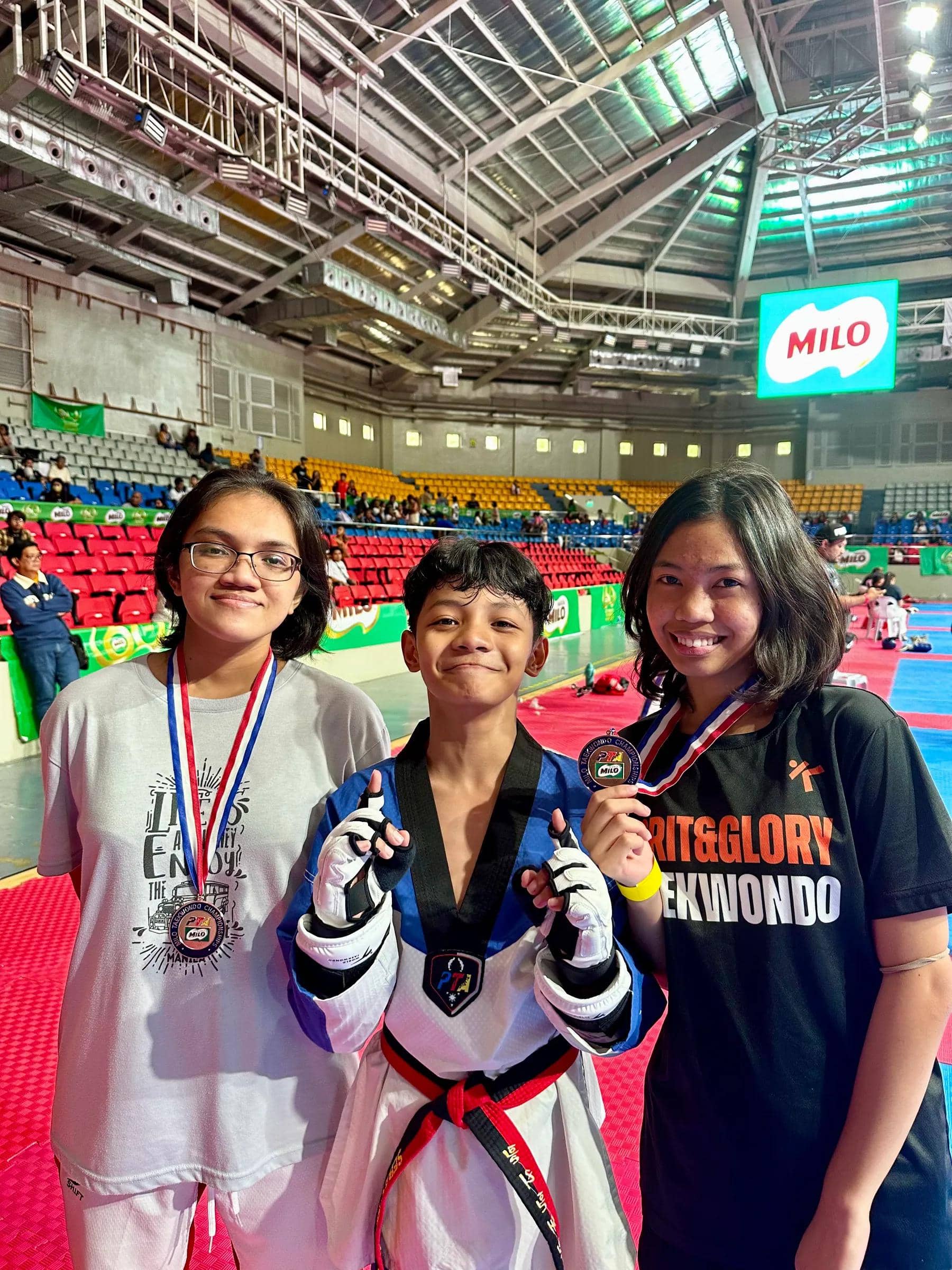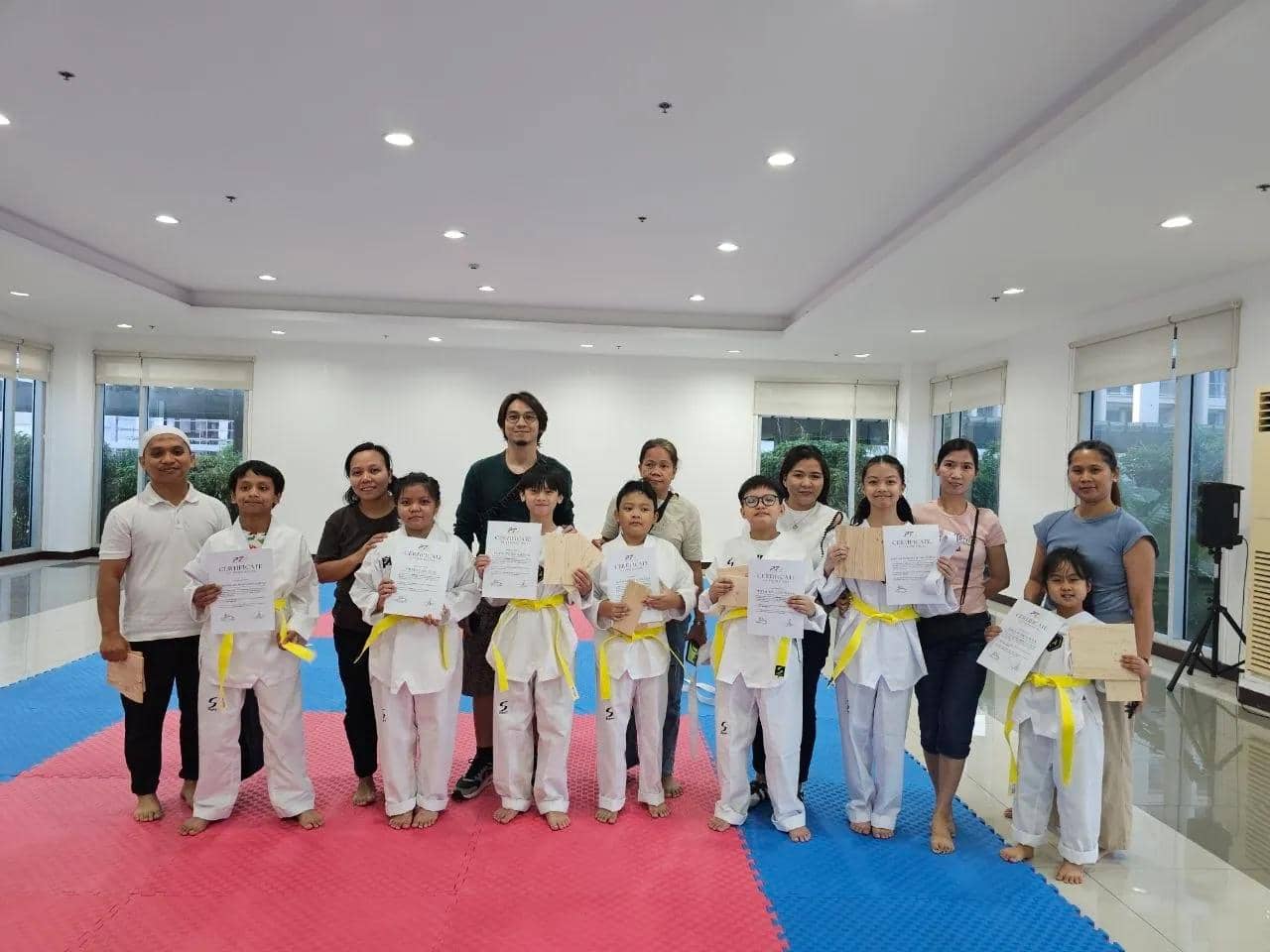
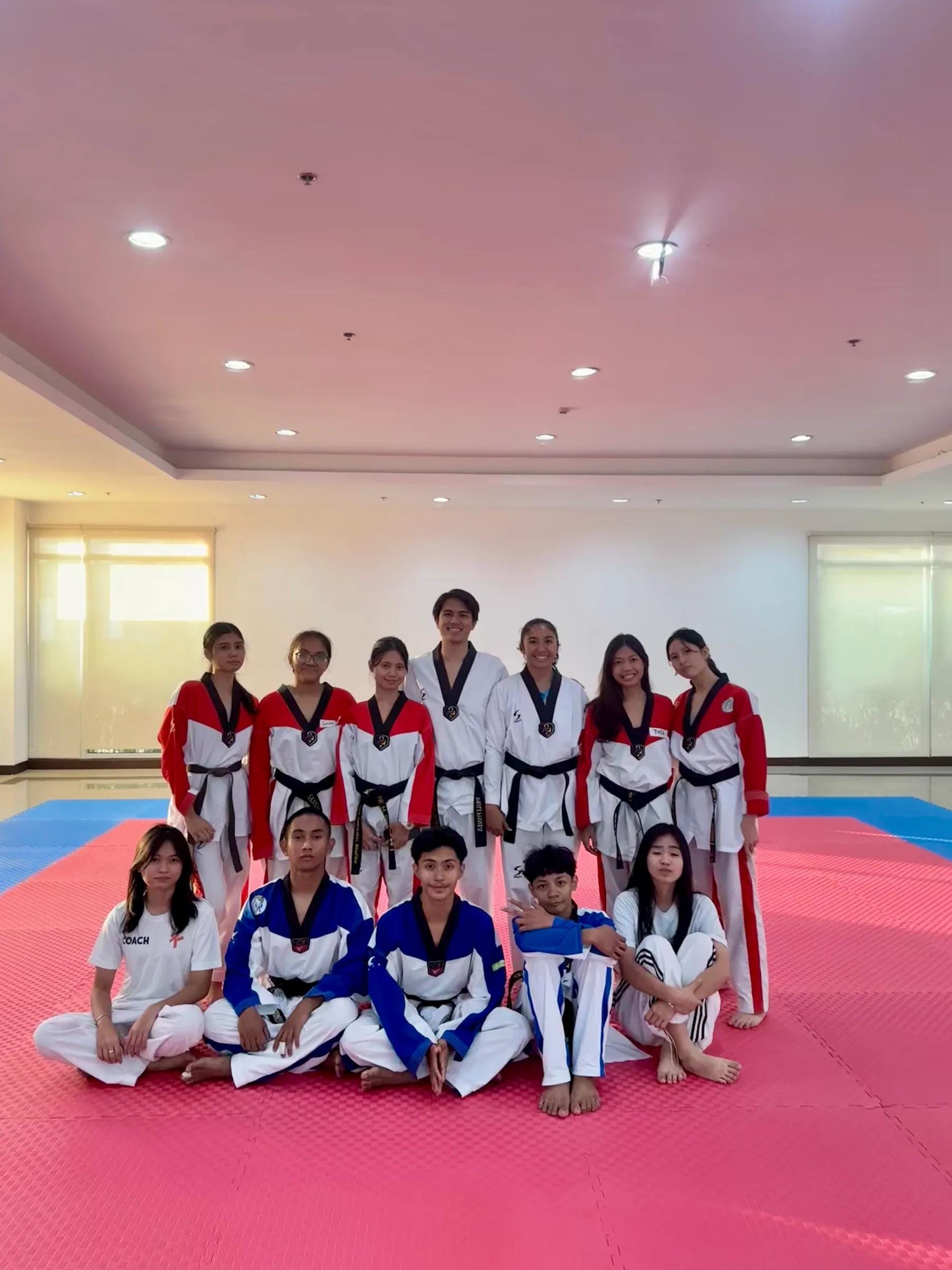
A typical adult class touches almost every part of fitness in a single hour: cardio, strength, flexibility, balance, and reaction speed. If your current routine is starting to feel like autopilot, here's what an actual taekwondo workout involves.
What a Class Trains
- Cardio. Taekwondo is built on short, intense bursts — kicking combinations, footwork, sparring rounds — the kind of interval training that gets your heart rate up and keeps it there. A study measuring taekwondo-specific high-intensity training found athletes working at 73–89% of their VO2 max during drills (Energy Demands in High-Intensity Intermittent Taekwondo Exercises, Bartel et al., PeerJ, 2022) — squarely in vigorous-intensity territory, the zone cardio guidelines are built around.
- Strength. Kicks and strikes are generated from the core and hips, not just the limbs — a full-body chain, not an isolated muscle group.
- Flexibility. Kicking height and technique both depend on hip and leg flexibility, so stretching is a built-in part of every class, not something bolted on afterward.
- Balance and coordination. Standing on one leg to kick, under fatigue, is balance training you don't get standing at a machine.
- Reaction speed. Sparring forces fast, split-second decisions — a kind of training a solo gym session can't replicate.
How It's Different From a Gym Routine
- Structured, not self-directed. A coach runs the session — no deciding what to do or second-guessing your form.
- Always progressing. Every class works toward your next belt, so there's a visible goal beyond "another workout."
- Social by default. You're training alongside other people working toward the same thing, which tends to beat a solo treadmill session for consistency.
- No extra equipment to buy. No home gym, no monthly gym-plus-trainer stack — just you and the dojang.
Do You Need to Be Fit First?
No. Classes are scaled to every level, and conditioning is built into the curriculum itself — you get fit through training, not before it. Most adult students start as complete beginners.
Can It Replace the Gym?
For a lot of adults, yes — taekwondo alone covers cardio, strength, and flexibility in one session. If you lift heavy or run long distances specifically, you may still want to supplement, but as an all-around fitness routine, two or three classes a week covers most of what a typical gym split is trying to achieve separately.
Try a Class
Your first class is free, with no gear required, at any of our three branches in Taguig and Parañaque. Book a free trial class and see what an hour of actual taekwondo training feels like.
Common Questions
How many times a week should I train for fitness results?
Two to three classes a week is a solid starting point for noticeable fitness gains, though even once a week adds real value over no training at all.
Is taekwondo enough cardio on its own?
Yes, for most people. The high-intensity, interval nature of a class covers the vigorous-intensity cardio most fitness guidelines recommend.
Can I do taekwondo alongside my regular gym routine?
Yes. Many adult students combine the two — taekwondo for conditioning, skill, and variety, gym work for anything more specialized.
Do I need to be flexible before starting?
No. Flexibility is built through consistent training and stretching that's part of every class.